Have you ever wanted to start your own online business, but the logistics and initial investment seem like a huge obstacle? Dropshipping might be the perfect solution. This business model has revolutionized the way entrepreneurs can start and manage an online store. But what exactly is dropshipping?
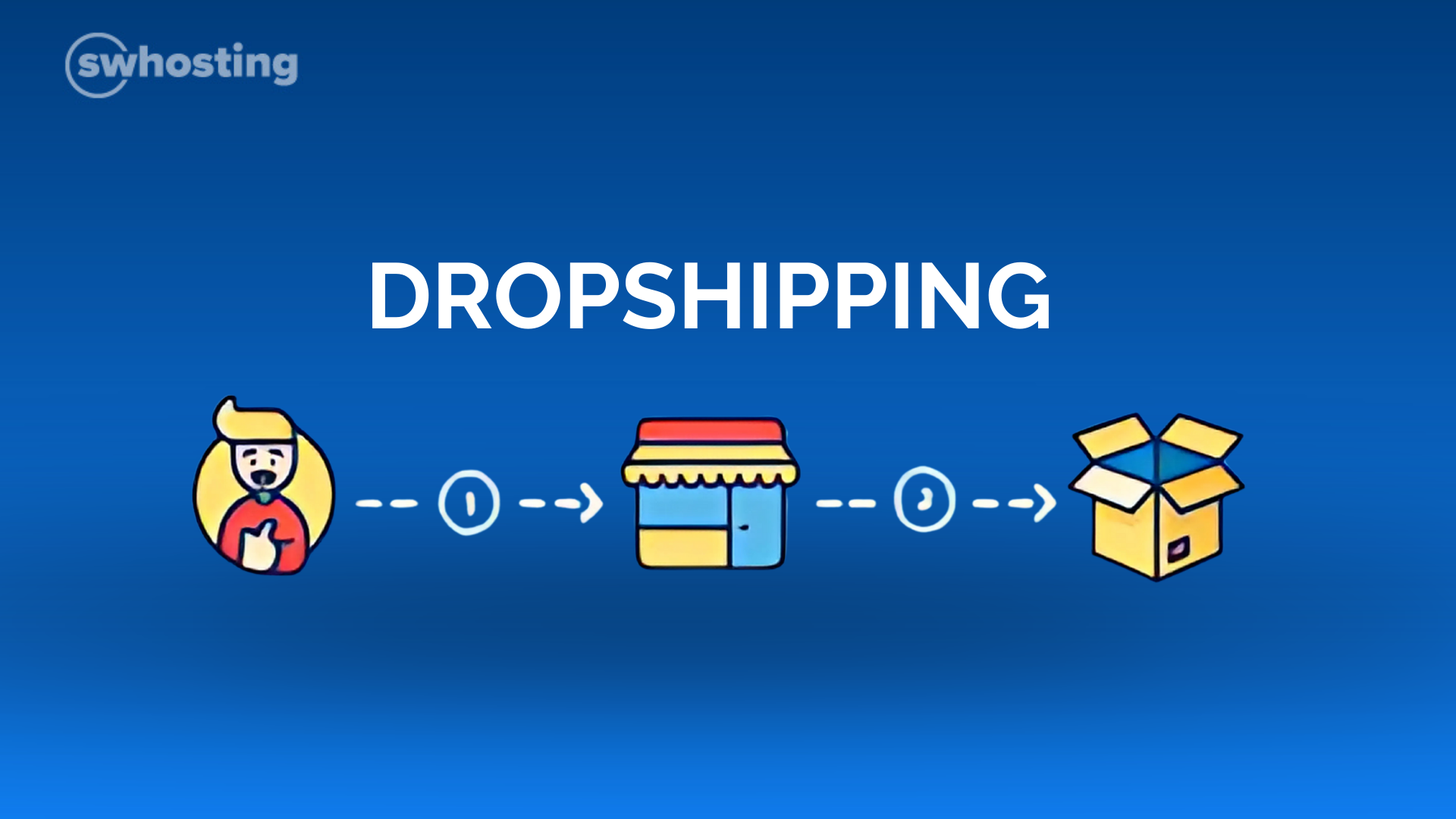
Dropshipping is a business model that allows you to run an online store without needing to have your own inventory. Here’s how it works: when a customer places an order in your store, that order is sent directly to a supplier, who handles packaging and shipping the product to the final customer. In this way, you act as the intermediary between the buyer and the supplier.
Why is it transforming e-commerce? Because it removes traditional barriers like inventory management or shipping logistics, enabling anyone with a computer and an internet connection to start their business easily. This allows you to focus on what’s important: attracting customers, generating sales, and growing your online business.
The dropshipping model has gained popularity because it democratizes access to e-commerce. You don’t need prior business experience, and platforms like Shopify, WooCommerce, and even giants like Amazon offer tools specifically designed for this model. Plus, the best part is that you can manage your store from anywhere in the world, whether from home or while traveling.
There’s no need for a large initial investment or advanced logistics knowledge to get started. You just need a good strategy, the ability to identify a market niche, and the right suppliers to ensure success.
If you’re looking for a flexible, cost-effective, and scalable way to enter e-commerce, dropshipping is an excellent choice. But remember, like any business, it requires dedication, strategy, and consistency. Don’t worry, in the following sections of this blog, we will guide you step by step on how to get started in dropshipping: from choosing the right niche and products to finding the best suppliers and building your successful online store.
Although dropshipping is an attractive model, it’s not without its challenges. To help you decide, here are the advantages and disadvantages, along with practical tips for overcoming potential drawbacks.
With the support of a reliable provider like SW Hosting, you have the perfect infrastructure to start your dropshipping business successfully. Optimize your store from the beginning and avoid technical issues that could cost you sales.
Get started now with:
Build your store and make a difference in eCommerce.
Success in dropshipping not only depends on choosing a good niche or attractive products; it is also crucial to have tools that allow you to automate processes, optimize your store, and enhance the customer experience. In this section, we’ll show you the most useful tools, along with key hosting and server recommendations to ensure your business runs smoothly.
Automation is the heart of dropshipping. With these tools, you can efficiently manage inventories, orders, and marketing:
Oberlo
One of the most popular tools for Shopify. It allows you to import products directly from AliExpress to your store and automate order processing.
AliDropship
Perfect for WordPress and WooCommerce, this plugin helps you import products, manage inventories, and keep prices updated.
DSers
Ideal for those working with AliExpress, DSers allows you to manage bulk orders and streamline logistics operations.
Zendrop
A great option for dropshipping with reliable suppliers, focusing on fast shipping and quality products.
Shopify Apps
From product recommendation systems to chatbots, Shopify’s marketplace has hundreds of apps to scale your store.
Google Analytics and Hotjar
Help you understand user behavior, optimizing conversion rates and store design.
An online store needs hosting that provides speed, security, and reliability. This is where SW Hosting stands out as the perfect option for dropshipping entrepreneurs:
E-commerce Specialized Hosting
SW Hosting offers plans specifically designed for online stores, with compatibility for WooCommerce, Shopify, and PrestaShop.
Optimized Performance
SW Hosting’s servers ensure fast load times, essential for avoiding cart abandonment.
Management with Cloud & Panel
The SW Hosting Cloud & Panel allows you to manage all your store's resources easily, from space allocation to automatic backups.
Spanish-language Technical Support
Unlike other providers, SW Hosting offers personalized and real-time assistance to resolve any issues that may arise.
If you're just starting, explore their hosting plans or register your domain with SW Hosting Domains to complete your store setup.
Having an optimized store is just the first step. The next challenge is attracting traffic and converting visitors into buyers. Here are proven strategies to boost your dropshipping sales.
Content Marketing
Creating a blog linked to your store with guides, reviews, and tips related to your products can attract organic traffic and improve your SEO positioning.
Email Marketing
Tools like Mailchimp or Klaviyo allow you to create automated campaigns to retain customers, recover abandoned carts, and promote special offers.
Influencer Marketing
Working with influencers on social media can help you quickly and effectively reach specific audiences.
Facebook and Instagram Ads
These platforms are ideal for dropshipping due to their targeting capabilities. Use dynamic campaigns to show products based on user interests.
Google Ads
Investing in Google Shopping campaigns or keywords related to your niche can attract buyers with clear purchasing intent.
TikTok Ads
A great tool for promoting visual products and capturing the attention of younger audiences.
Keywords
Research keywords related to your products using tools like Ahrefs or Google Keyword Planner. Include terms like "buy [product]" or "fast shipping."
Optimized Images
Use high-quality images but make sure to compress them so they don’t slow down your website.
User-Friendly URL Structure
Create clear, descriptive URLs, such as: www.swhosting.com/es/hosting
Load Time
An optimized hosting like SW Hosting ensures that your site loads in less than three seconds, improving your SEO and customer experience.
In the world of dropshipping, selecting the right products is crucial for your store's success. Here’s how to identify profitable niches and the current trends dominating the market.
Research Demand
Before launching your store, research which products have high demand. Use tools like Google Trends or Amazon Best Sellers to identify what consumers are searching for. A profitable niche will have sufficient interest but not be oversaturated with competitors.
Find Problems to Solve
Products that solve specific problems are more likely to attract customers. Think about the inconveniences people face daily and how your store could offer a practical solution.
Explore Niche Interests
Instead of choosing popular but saturated products, go for more specialized niches. For example, instead of selling "sportswear," focus on "eco-friendly sportswear for women," allowing you to differentiate yourself.
Use Research Platforms
Platforms like Etsy, eBay, and AliExpress can help you see what products are generating the most sales and attention. You can also use Keyword Tool or SEMrush to analyze which searches are trending in your niche.
Eco-friendly and Sustainable Products
Consumers are increasingly interested in environmentally friendly products. From clothing and accessories to cosmetics and kitchen utensils, eco-friendly products are on the rise.
Wearable Technology
Devices like smartwatches, wireless headphones, and fitness trackers continue to be in high demand. Consumers value convenience and the integration of technology into their daily lives.
Fitness and Wellness Items
Post-pandemic, interest in physical well-being has increased significantly. Home exercise equipment such as resistance bands, weights, and yoga mats remain in high demand.
Personalized Products
Interest in personalized items (clothing, jewelry, accessories) is growing as consumers seek unique products that reflect their personality or those of their loved ones.
Smart Home Products
Smart home devices like voice-controlled light bulbs, smart thermostats, and security cameras are popular among those looking to make their homes more efficient and tech-savvy.
Dropshipping is not just about sales and marketing; it's also essential to manage the legal and financial aspects of your business correctly. Here are some tips to ensure you comply with regulations and avoid issues in the future.
Know the Tax Laws of Your Country
Dropshipping is a global business, and it's crucial to understand how taxes are managed in your country. In Spain, you must register as a freelancer or company if you plan to generate regular income. The Tax Agency is responsible for regulating VAT and other related taxes.
VAT and Invoicing
In Spain, VAT (Value Added Tax) is mandatory for most sales. If you sell to customers within the EU, you must apply the local VAT rate of the buyer's country. If you sell outside the EU, you may not need to apply VAT, but you should verify this based on the shipping destination.
Invoicing Software
To keep track of your finances, it's recommended to use invoicing software like Quipu or FacturaDirecta, which will help you issue invoices quickly and comply with Spanish tax regulations.
Tax Declaration
Don’t forget that your income must be declared to the Tax Agency. Additionally, you may need to pay income tax (IRPF), so ensure you keep your cash flow organized and maintain all receipts and invoices in order.
Privacy Policy
It is crucial that your store has a privacy policy that complies with the General Data Protection Regulation (GDPR), especially if you sell to EU countries. This policy should explain how you handle users' personal information and what rights they have regarding their data.
Terms and Conditions
The terms and conditions are necessary to define the rules for using your online store. This document should include information about the rights and responsibilities of both the customer and the seller, and specify the purchasing, payment, and return process.
Return Policy
A return policy is essential for any dropshipping store. You must define how you will manage exchanges, returns, and refunds. Be clear about time frames, conditions, and any additional costs that may arise.
Legal Notice
A legal notice is mandatory in Spain. It should include your fiscal information, such as your tax identification number (NIF) and other details that allow consumers to know who they are dealing with.
Cookies
If your store uses cookies to collect data, you must inform users through a cookie banner that complies with European regulations. This banner should allow users to accept or reject the use of cookies on your page.
As your dropshipping store grows, you will eventually need to optimize and automate processes to manage it more efficiently. Scaling your business effectively will not only allow you to sell more but also free up time to focus on growth strategies. Here’s how you can scale your dropshipping business and how process automation can help you do that.
Expand Your Product Catalog
One of the most effective ways to scale your business is by expanding the number of products you offer in your store. You can start with a small niche and then add new related products that complement your initial offer. For example, if you sell eco-friendly sportswear, you could add yoga accessories or wellness products. This will allow you to attract a broader audience and increase sales without worrying about inventory storage.
Expand to New Markets
If your store is successful locally, consider expanding to new markets. Use platforms like Shopify or WooCommerce, which make it easy to sell in multiple countries. Be sure to understand the local regulations of each country, such as taxes and preferred payment methods. Also, localizing your store to cater to different languages and currencies can enhance the user experience and increase conversions.
Optimize the Customer Experience
As you scale, it's essential not to neglect the user experience. Ensure that your site is easy to navigate and that the checkout process is quick and simple. Invest in a good eCommerce platform and an optimized website structure to ensure a higher conversion rate.
Invest in Advertising
To scale your business, you will need to invest in paid advertising. Platforms like Google Ads, Facebook Ads, and Instagram Ads can be very effective for increasing traffic to your store. Define your target audience carefully and use advanced segmentation tools to ensure your budget is spent efficiently.
Order Processing Automation
One task you can automate is order processing. Tools like Oberlo (for Shopify) or AliDropship (for WooCommerce) allow orders to be automatically sent to the supplier when a customer makes a purchase, without you having to intervene manually. This saves time and reduces the risk of errors.
Inventory Management Automation
Inventory control can be tricky when working with multiple suppliers. Using platforms that integrate inventory tracking, like Stock Sync, can help you keep your products available for sale without worrying about out-of-stock or outdated items.
Email Marketing Automation
Use tools like Mailchimp or Klaviyo to automate email campaigns and keep your customers engaged. These platforms allow you to segment your audience and send automated emails based on purchase behavior, such as abandoned cart recovery emails or post-purchase thank-you emails.
Automated Customer Service
Using chatbots is another way to automate your business. Tools like Tidio or LiveChat offer instant support to your customers 24/7, improving the customer experience and increasing the likelihood of conversion.
Social Media Management
Platforms like Hootsuite or Buffer allow you to manage multiple social media accounts from one place. You can schedule posts, monitor mentions, and analyze the performance of your campaigns efficiently. This is especially useful when scaling your business and needing to be present on multiple platforms without losing time.
To improve your visibility and attract more traffic, it's essential to integrate keywords naturally into your articles and titles. In this case, terms like "what is dropshipping", "how to start dropshipping", and "dropshipping guide" should be part of your content strategy.
What is Dropshipping?
Are you wondering what dropshipping is and how it can help you start your online business? Here’s everything you need to know to get started successfully.
How to Start with Dropshipping
Discover how to start with dropshipping with this step-by-step guide to create your online store and start generating sales from day one.
Choosing Profitable Products for Dropshipping
One of the secrets to success in dropshipping is choosing the right products. Learn how to identify popular and profitable products for your online store.
How to Choose Suppliers for Dropshipping
Selecting your suppliers is crucial for the success of your business. In this article, we give you the keys to choose the best suppliers for your dropshipping store.
Integrating these terms naturally into your content will improve your SEO ranking and increase your visibility on search engines, which will drive more traffic to your store.
With these tips on scalability and automation and content optimization, you’ll be able to run a dropshipping business efficiently and achieve continuous growth. To get started, don’t forget to choose a good hosting provider and use the right tools to ensure your online store is always operational and capable of handling increased traffic. For more information, you can find hosting solutions at SW Hosting or explore our domains to give your dropshipping store its own name.

A domain name is the first step to make your project a reality. Enjoy the best domain rates.


